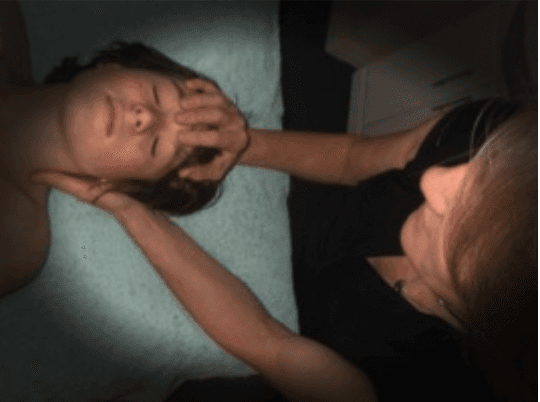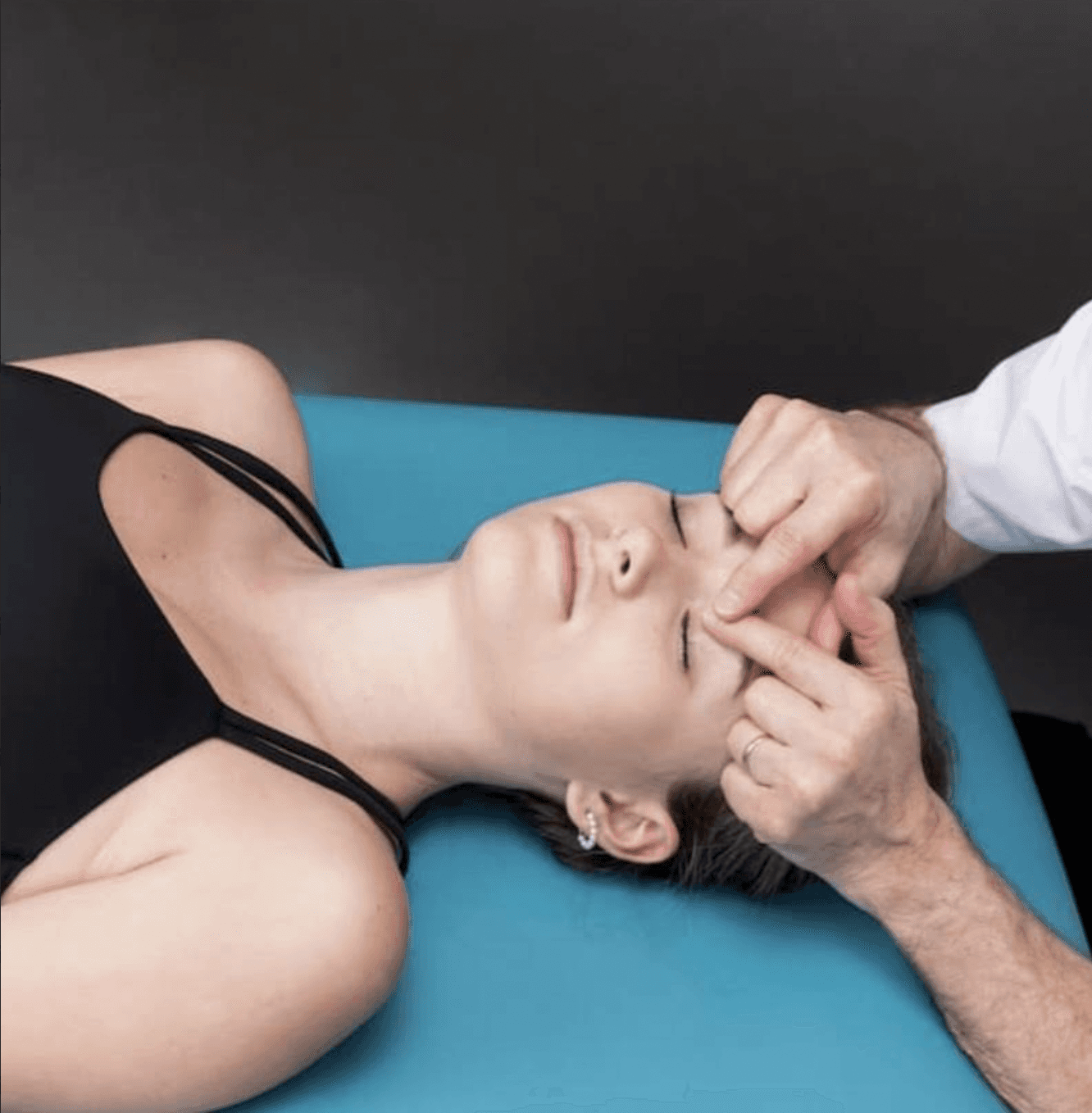
What is Craniosacral Therapy?
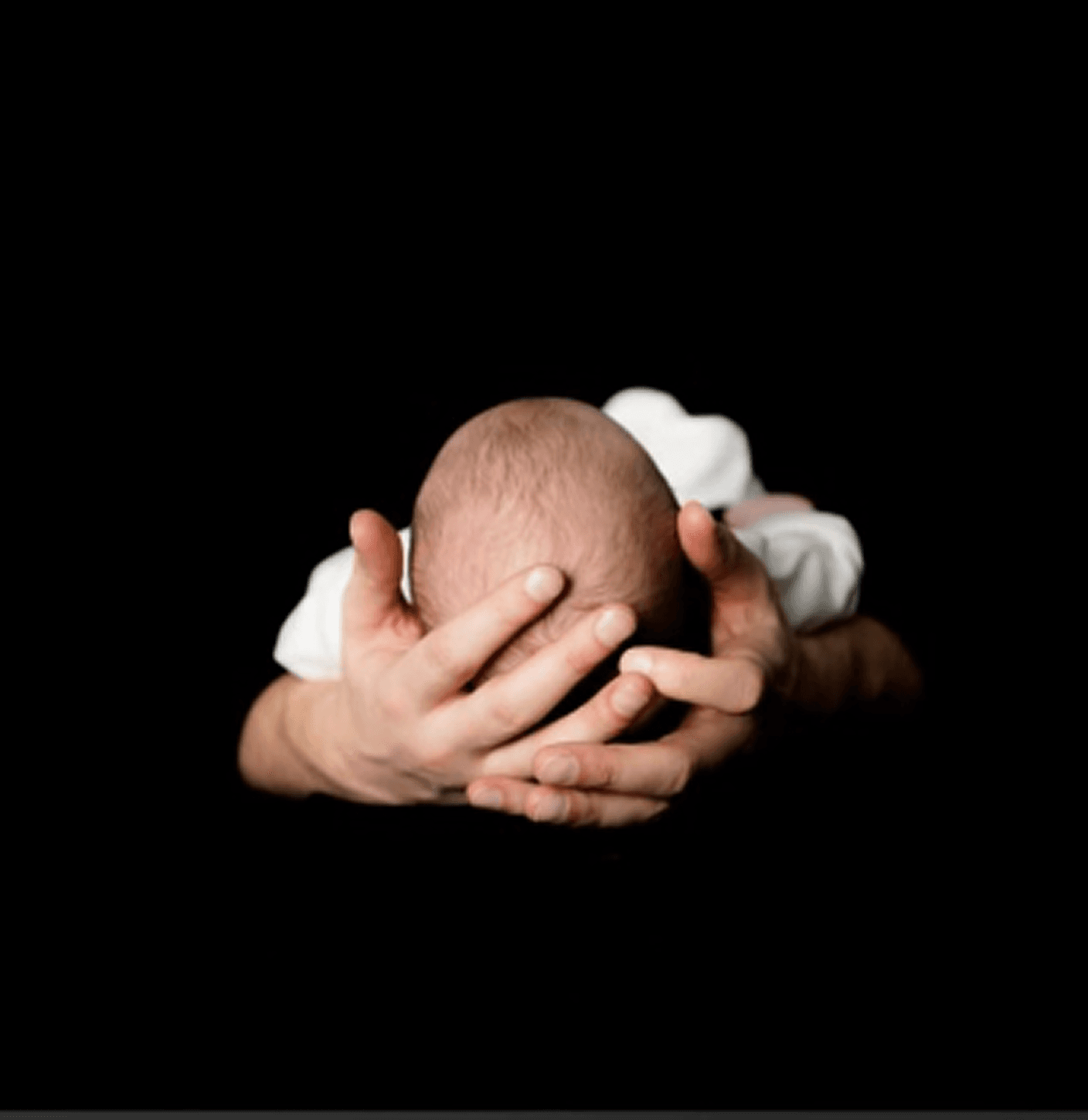
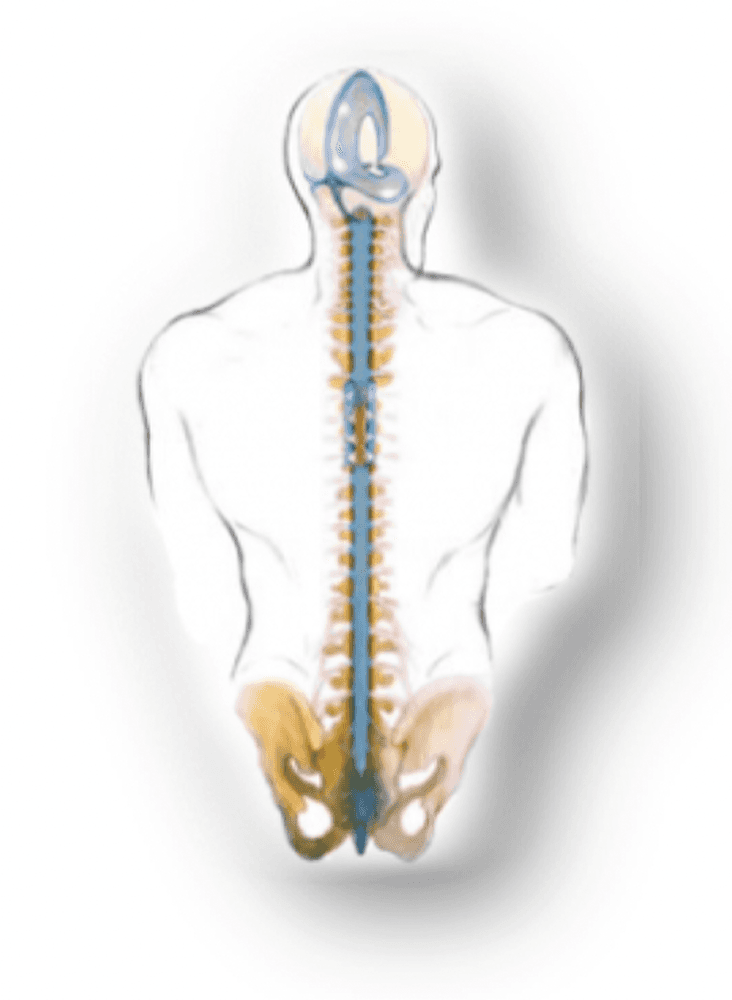
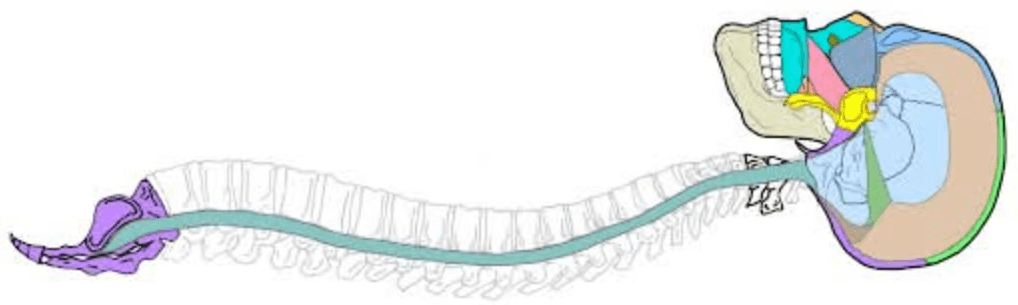
The system it affects extends like a roadmap from the skull all the way down the spine to the tailbone.
Typically, the production and reabsorption of cerebral spinal fluid acts like a continuous rhythmical pump, and generally, homeostatic mechanisms in the body allow and compensate for self-correction, and self-balance.
When the body is unable to compensate for these pressure changes, dys-function may occur, especially within the central nervous system.
The Craniosacral system is also closely related to and influences the musculoskeletal system, the vascular system ,the lymphaticsystem, the endocrine system (relating to hormones), and the respiratory system.
Everything within our body is designed to work together, and flow harmoniously. Normally this all happens without us being aware of regular functions such as our heartbeat and muscle contractions
with movement , breathing , digestion and so on.
We become aware when something doesn’t feel right, like the back pain, the tummy ache, the sore elbow. The list is potentially endless!
Craniosacral Therapy aims to bring back balance to form and function.
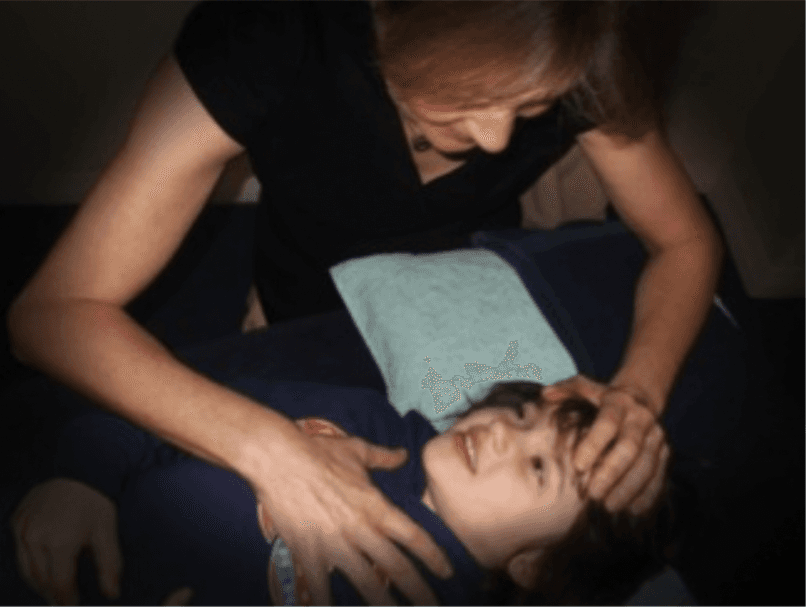



Trauma, both of an emotional and physical nature, stored in the body, may be gently released with appropriate Craniosacral Therapy. This is often related to as somato emotional
release (SER).
CST has its roots in the nineteenth century, originating from osteopathy, further developed in the 1930s and then really advanced by Dr John Upledger in recent years.
I have trained and qualified with the Upledger International School of Craniosacral Therapy.
Craniosacral Therapy….subtle techniques to facilitate profound change.
What is this helpful for?
Craniosacral Therapy………what sort of things may it be helpful for?
The list here is quite extensive but here is an overview of conditions which may be treated:
Acute and chronic pain.
Trauma related injury, such as whiplash, sports injuries, a painful fall.
Chronic neck and back pain
Head, neck, shoulder pain
Digestive disorders
Pelvic problems
Women’s and men’s health issues
Hormonal imbalances
Neurological issues, such as stroke (when stable), multiple sclerosis, Parkinson’s
Infertility
Bladder and bowel problems
Stress related issues
Headaches
TMJ dysfunction
Fertility concerns
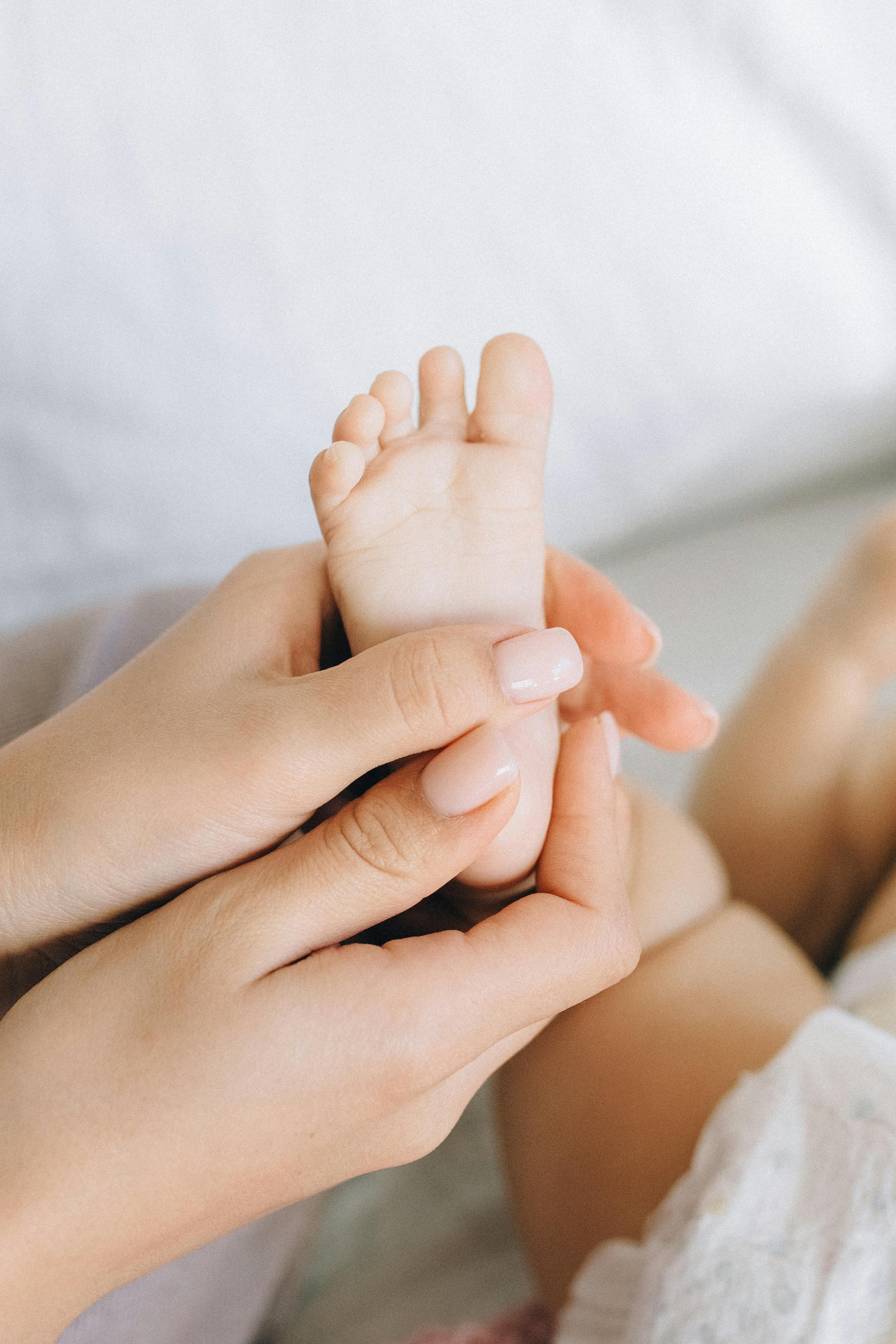
Babies and children...a little more information to follow…